I approach theatre and arts education as a site of social practice and cultural translation. My teaching philosophy is anchored in the principle that learning is a process of simultaneously unlearning established viewpoints and understanding varied lived experiences. Working across text, performance, and media, I guide students to think relationally, attuned to intertextual, intermedial, and intercultural contexts.
My pedagogy is shaped by interdisciplinary practice and years of teaching at the City University of New York, one of the largest urban public university systems in the United States. Fellowship positions at the Teaching and Learning Center and CUNY BA (Baccalaureate for Unique and Interdisciplinary Studies) allowed me to deepen my pedagogical training and expand my experience in student mentorship across diverse learning environments. I taught courses in speech, performance, and communication; mentored undergraduate research projects for campus-wide showcases; and led pedagogy workshops for faculty and graduate instructors. These roles strengthened my commitment to teaching that is experimental, socially engaged, and attuned to the institutional and cultural conditions of learning.
Performing Pedagogy, Engaging Technology
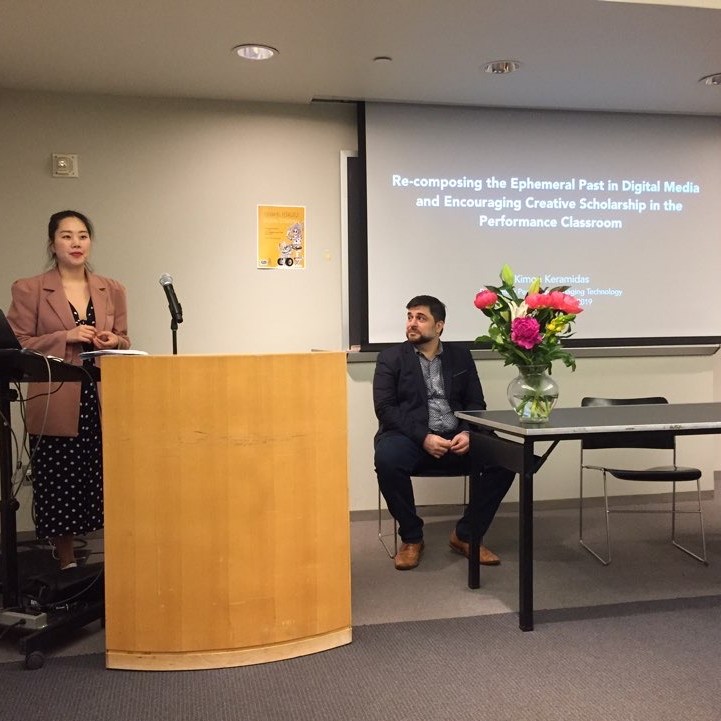
I organized a conference Performing Pedagogy, Engaging Technology as part of my final project at the Interactive Technology and Pedagogy Certificate Program at The Graduate Center, CUNY. It was presented as a pre-conference at the Doctoral Theatre Student Association’s third annual conference Screening Performance, Performing Screens: New Projections in Theatre and Media, which I co-organized with my colleagues. The conference invited doctoral theatre students and educators to discuss how we might learn from and adapt theatre and performance scholarship and pedagogy for the college classroom, especially focusing on the role of digital media technologies. The conference aimed to start conversations around the intersections of the scholarship of teaching and learning, digital humanities, and theatre and performance studies as they relate to such concepts as embodiment, immersion, affect, and experiential learning.
Professor Kimon Keramidas (NYU) delivered a keynote speech on “Re-composing the Ephemeral Past in Digital Media and Encouraging Creative Scholarship in the Performance Classroom.” I was in conversation with some projects on the intersections of art and digital platforms, including Ryan Donovan’s “Incorporating EdTech in the Arts Classroom,” Chloë Rae Edmonson’s “An Instagram Experiment in #Fashion and #Pedagogy,” Laura Cabochan’s “Process Drama as an Immersive Theatrical Classroom Experience,” and more.
Project Advisor: Professor Michael Mandiberg | Sponsor: Doctoral Students Council (DSC) Grant | Click HERE to check out the full conference program.
Experiential learning and the Democratic Field
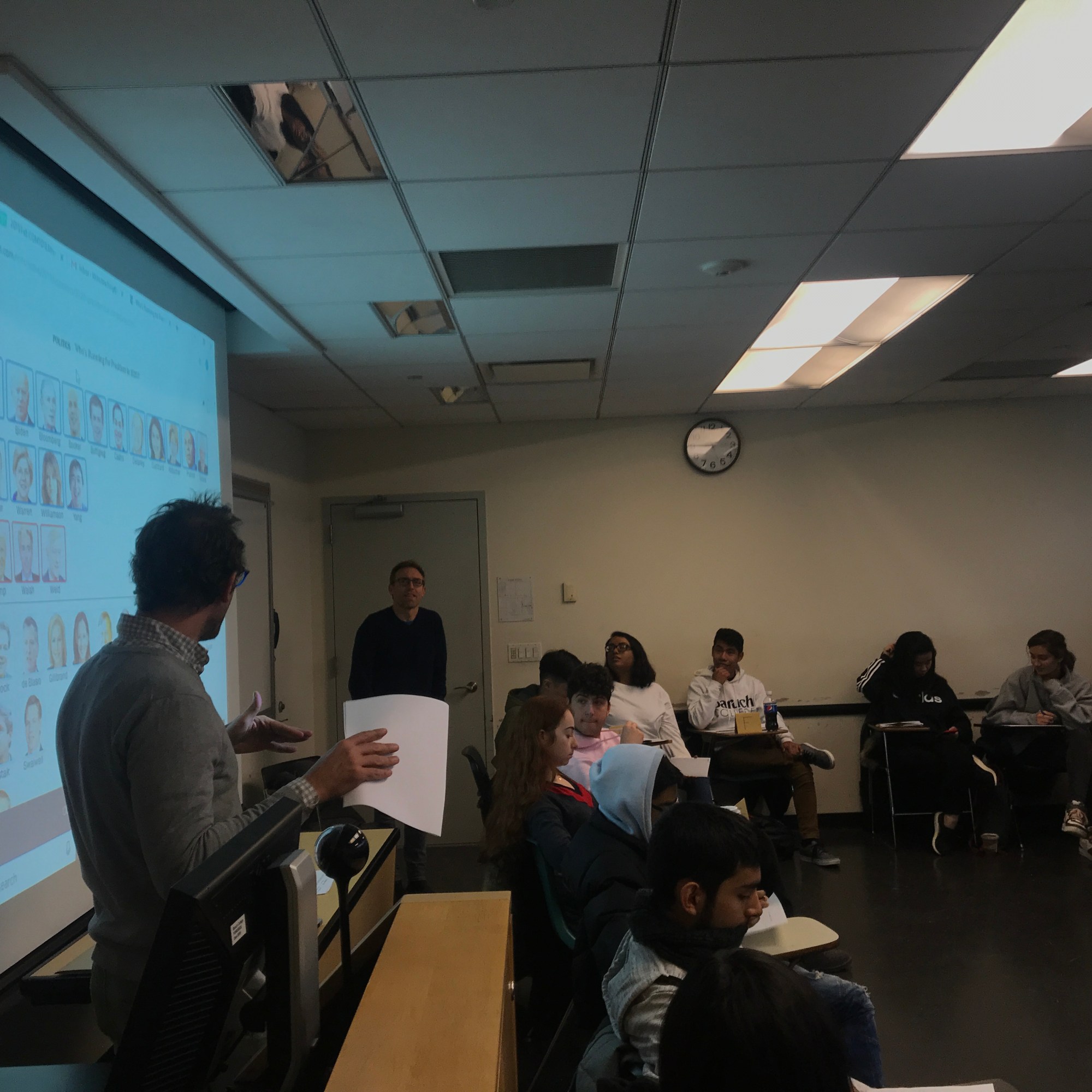
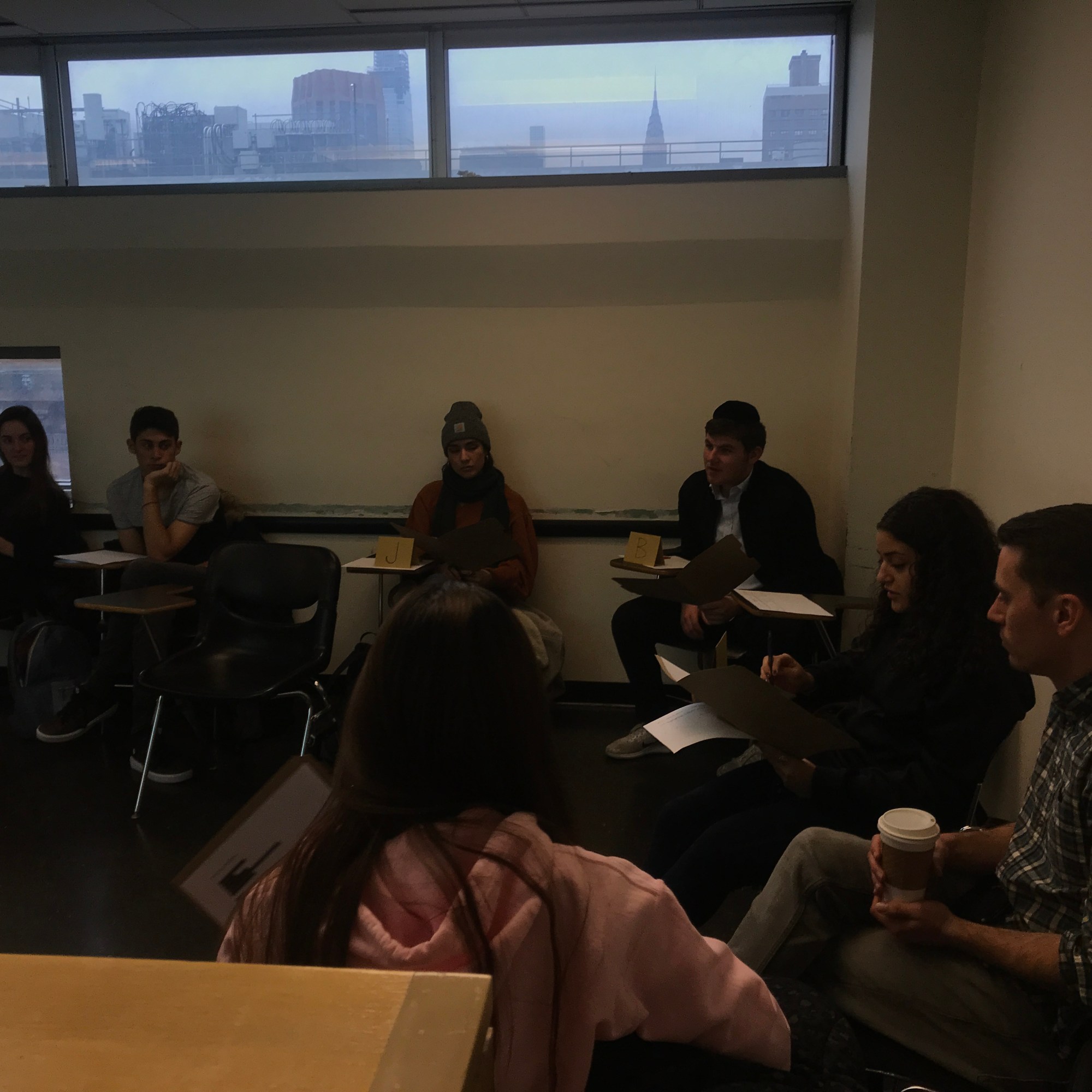
I emphasize experiential and embodied learning through performance and social engagement. In my Speech Communication class at Baruch College, CUNY—a course that is mandatory for all undergraduate students across disciplines—I design activities that encourage students to reflect on the course materials beyond the confines of the classroom. For instance, during sessions on persuasive speech amid the US presidential election, I collaborated with New York University’s Verbatim Performance Lab and the Artists’ Literacies Institute to engage students in their project called The Democratic Field, in which they performed readings of anonymized policy statements from the presidential candidates, followed by a vote based on the performances. This form of experiential learning facilitated discussions on the complex interplay of identity and perception, highlighting how bias, cultural background, gender, and nonverbal cues influence communication.
Workshop: Conflicts as Sites of Learning
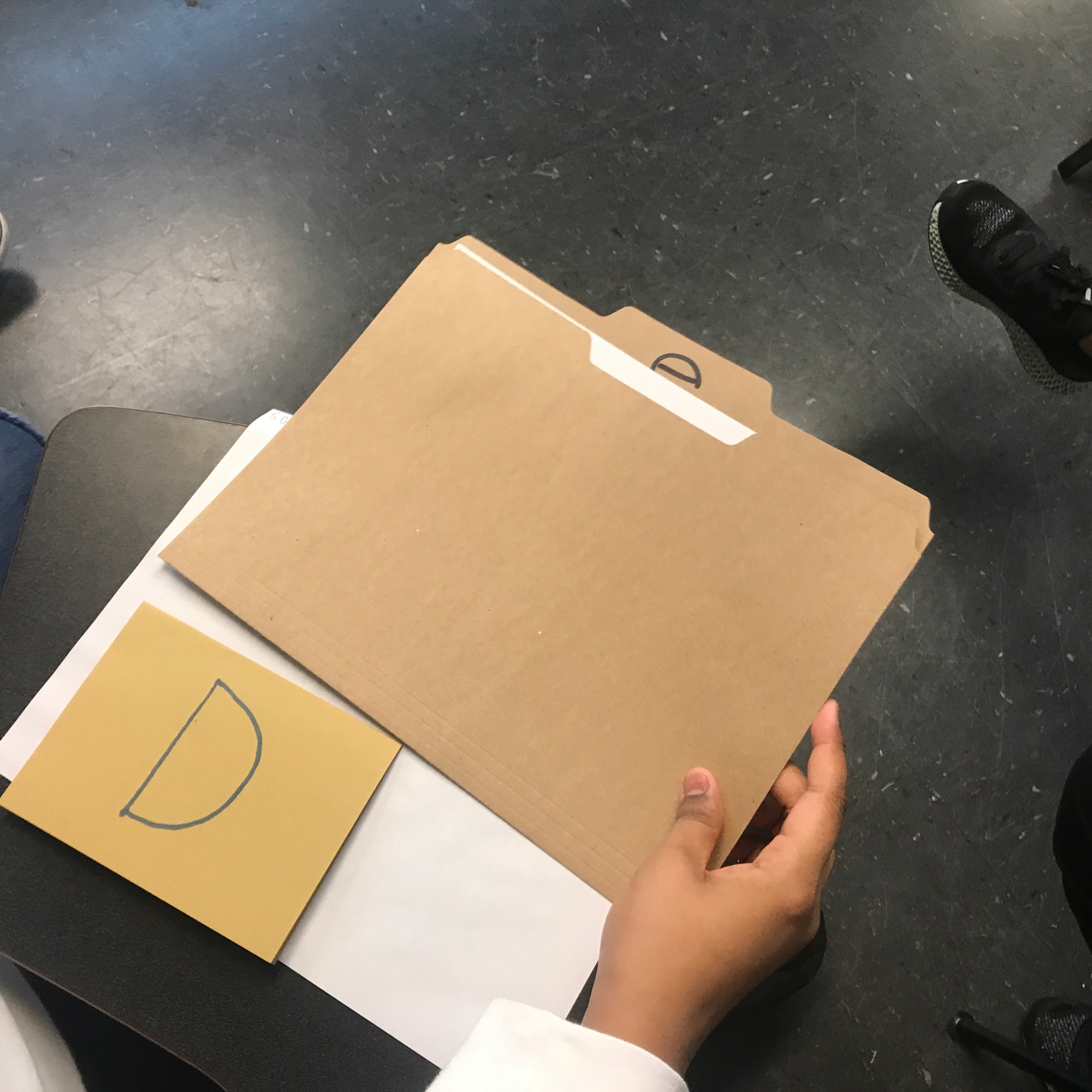
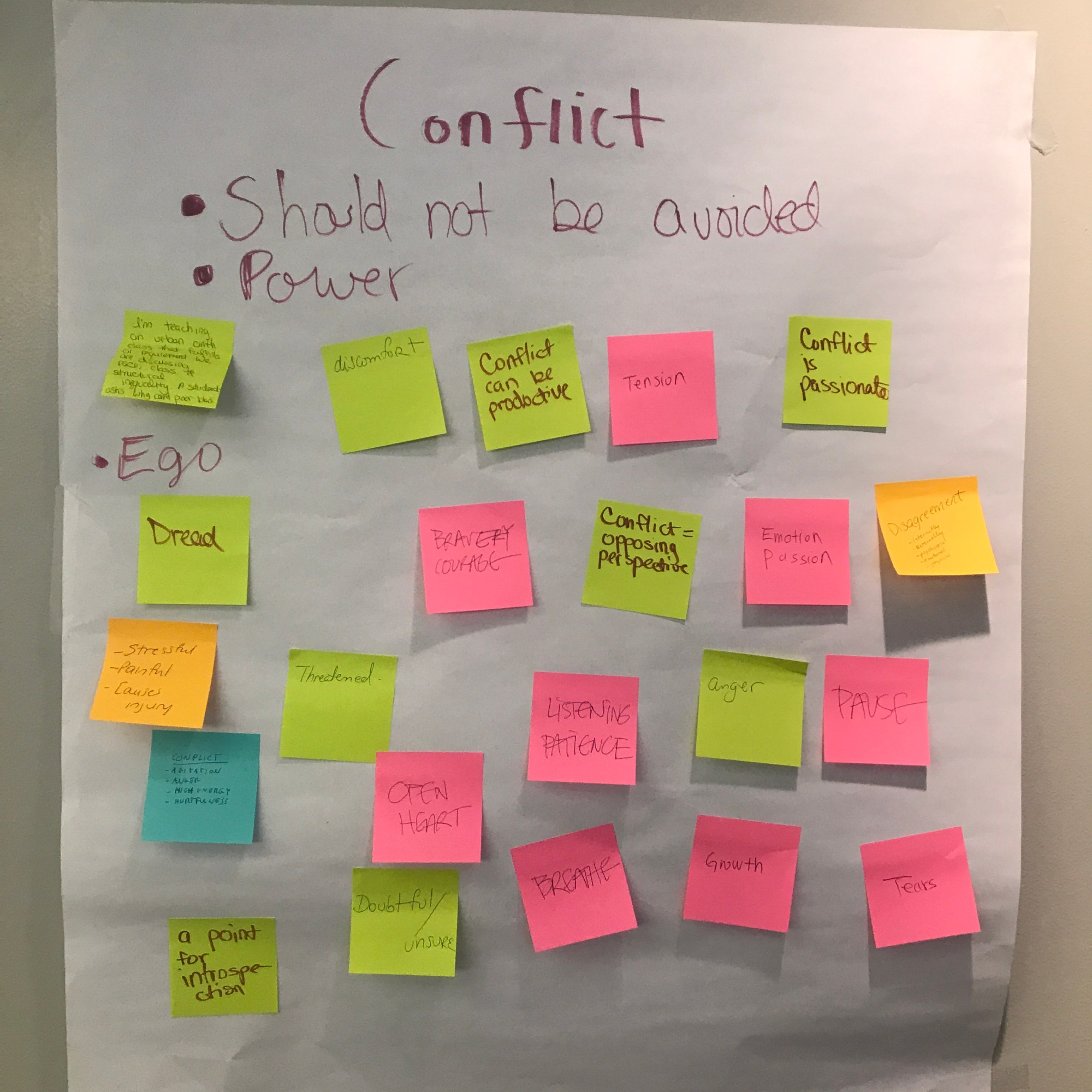
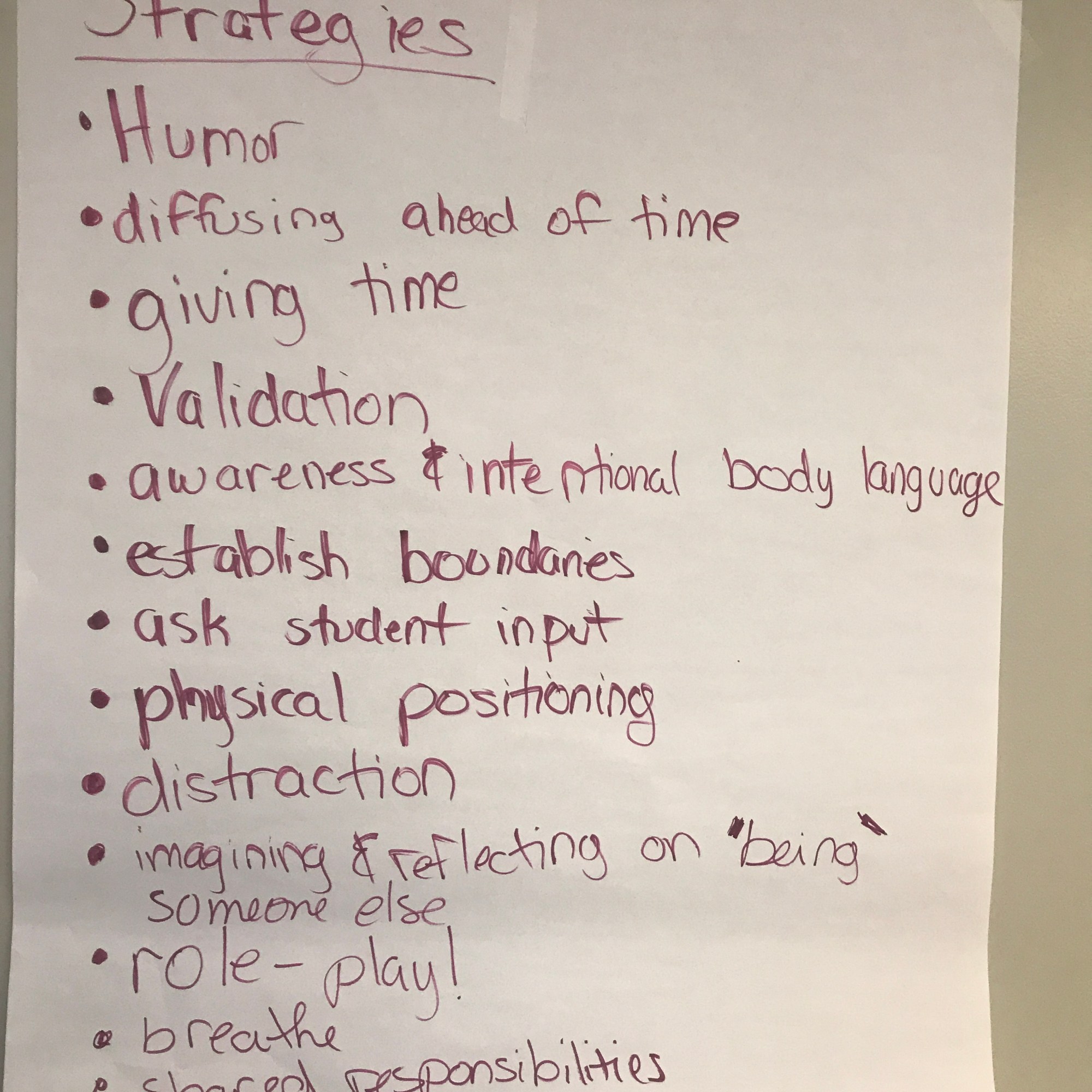
In classroom dynamics, I understand that encouraging students to incorporate their lived experiences and the interplay of identity into academic learning may lead to various forms of internal, external, and interpersonal conflicts arising from diverse perspectives. Instead of ignoring or avoiding these conflicts, I approach conflicts as sites of learning, as something to be addressed, discussed, and revisited again and again if necessary. Especially given the increasing perception of division in the US, I have contributed to increasing the awareness of potential conflicts in the classroom and strategies to de-escalate or resolve them. Beyond my classroom, I co-developed and co-facilitated a workshop on this topic for university instructors and staff. Co-organized with Talisa Feliciano, Teaching and Learning Center Graduate Fellow, the workshop provided a space for colleagues to share stories of conflict in the classroom, explore the emotional reactions associated with conflict, and practice potential scenarios and resolution strategies through theatrical role-play. These experiences have formed the basis of educational resources that consider conflict a pedagogical tool for transformative and intersubjective (un)learning. Visit here for a reflection on our pedagogical project written by Talisa.
Language and the Politics of Talking and Listening
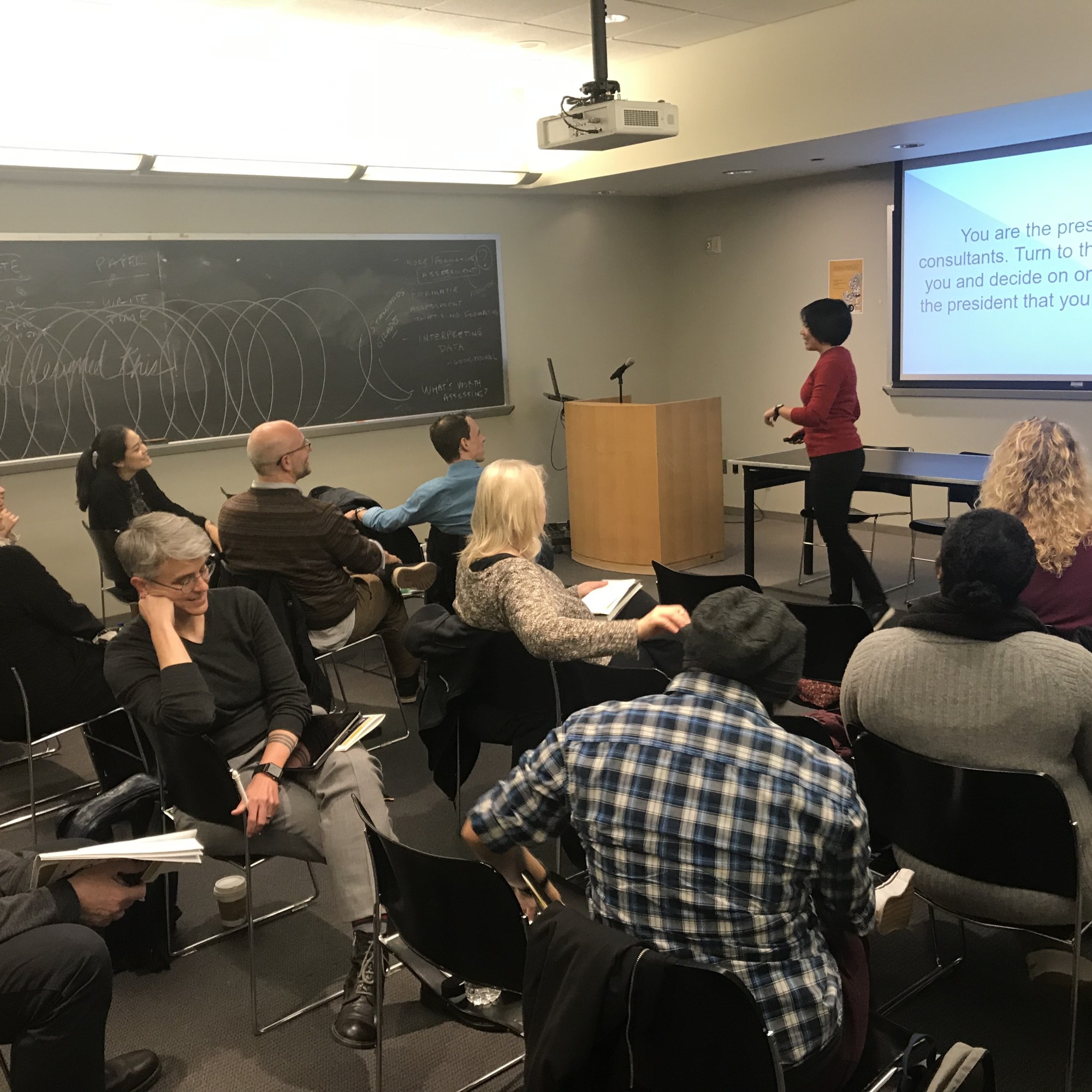
I participated in a month-long Open Focused Inquiry Series “Communication as Praxis” organized by Teaching and Learning Center Fellows at Thea Graduate Center, CUNY. We investigated verbal and nonverbal communications in the classroom as a set of intentional practices. After weeks of reading, discussing, and thinking together, I presented an activity designed to activate linguistic diversity in the classrooms, inspired by Teaching to Transgress: Education as Practice of Freedom by bell hooks (photo below). I wrote a reflection post in Visible Pedagogy, a blog dedicated to advancing and expanding conversations about teaching and learning at CUNY. Read full essay here
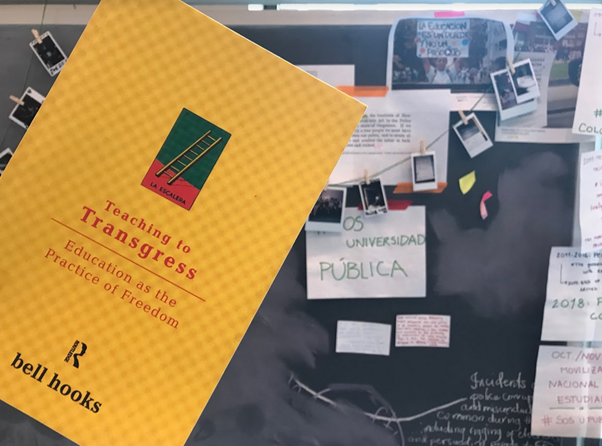
“In the classroom setting, I encourage students to use their first language and translate it so they do not feel that seeking higher education will necessarily estrange them from that language and culture they know most intimately. […] These lessons seem particularly crucial in a multicultural society that remains white supremacist, that uses Standard English as a weapon to silence and censor.”
bell hooks, Teaching to Transgress, 172
 Kyueun Kim